How to Build a Damage-Proof Supply Chain by Mastering Freight Damage Prevention and Claims
- By Grace
- Updated on
Let’s be honest—it’s the moment that keeps even the most seasoned logistics managers up at night. The container seal cracks, the doors swing open, and your heart sinks. You spot it immediately: a crushed corner on a pallet, a water-stained carton, the unmistakable rattle of a damaged shipment. From my perspective, this isn't just about broken inventory. It’s a damaged forecast, a broken promise to your customers, and the start of a headache nobody has time for.
But here’s the reality I share with all my partners: this moment isn't just "bad luck." It’s a variable that can be controlled. Effective supply chain risk management isn't about hoping the seas are calm; it's about building a vessel that can handle the storm. The difference between a minor operational hiccup and a financial crisis comes down to the systems—and the partners—you have in place before that ship ever leaves the dock.
In this guide, we’re going to unpack the proactive measures we take to prevent damage, walk through a practical playbook for a successful freight damage claim, and tackle the often-misunderstood topic of Incoterms liability.
The Best Claim is the One You Never Have to File
You’ve poured months of strategy and design into your product. Why leave the final mile to chance? I often tell my clients that the journey from our warehouse to your door is the most dangerous part of the product lifecycle. The integrity of that journey is a matter of engineering, not hope.
I recall a conversation with a partner from a luxury hotel chain who was burned by a previous supplier. They were using standard packaging, and nearly 15% of his units arrived with cosmetic flaws. It was a hidden tax on his margins that he couldn't shake. That story stuck with me because it highlights a core belief we have at KLCOSY: packaging isn't a cost center; it's an investment in your brand's reputation.
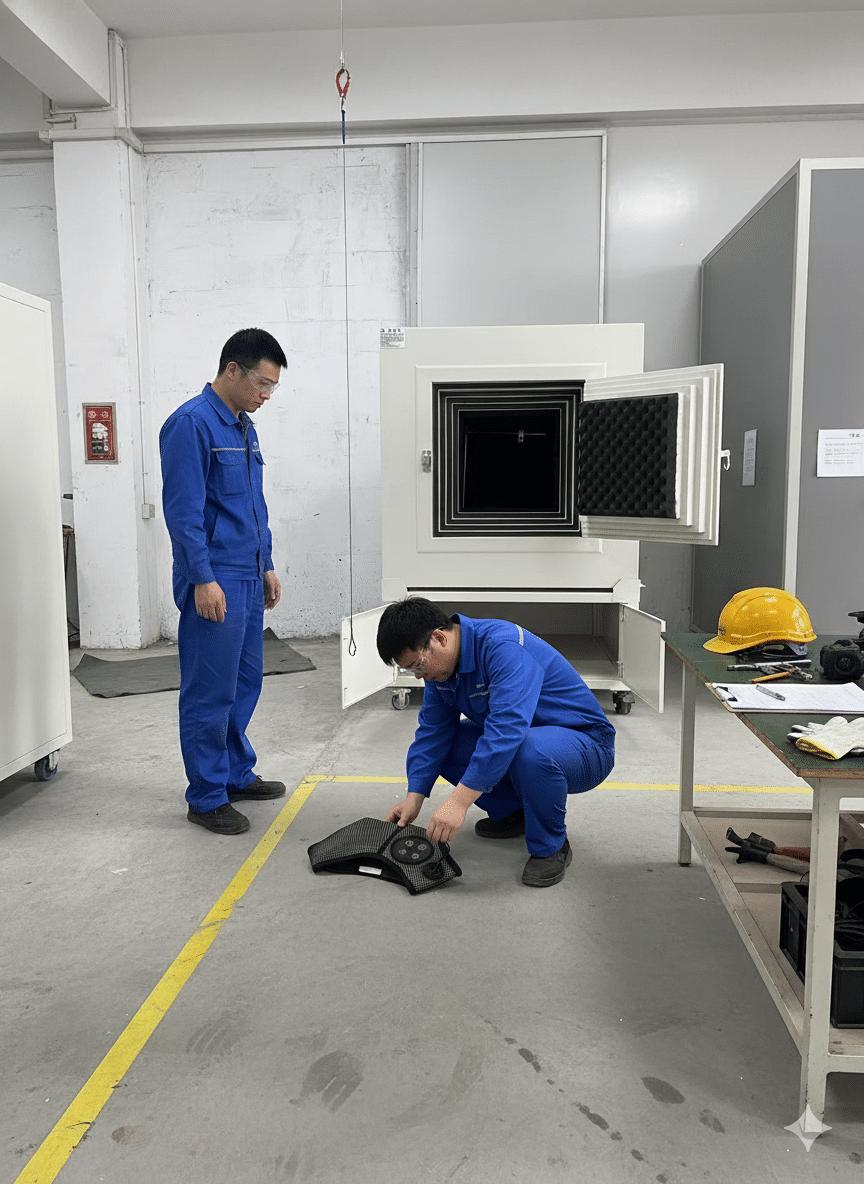
We don't just aim for "good enough." We engineer for the worst-case scenario. Here is how we ensure your goods survive the journey:
- Beyond the Cardboard: Our 5-Wall Reinforced Cartons. I believe the first line of defense is the box itself. While the industry standard often settles for flimsy 3-wall cardboard, we consider a 5-wall, high-density corrugated board our absolute minimum for export. It acts as a shield against crushing and includes moisture resistance for those long ocean transits.
- The 1-Meter Drop Test. We don't guess; we test. Every new packaging design undergoes our rigorous 1-meter corner drop test. We load a carton with the actual product and drop it onto concrete. If the product inside doesn't survive fully functional and cosmetically perfect, the design is rejected. It’s that simple.
- The Video Verdict: Documenting Every Departure. Trust is the foundation of our partnership, but proof is the structure. We maintain a complete video archive of every container being loaded. This captures the cargo's pristine condition the moment before the seal goes on. If you ever face a dispute with a carrier, this footage is your ace in the hole—irrefutable proof that the goods were perfect when they left our hands.
The First 48 Hours: Your Playbook for a Painless Freight Claim
So, the container doors open and you see a problem. I know the instinct is to panic or get angry, but what you do in the next few hours determines the success of your claim. A chaotic response can lead to rejection, but a methodical approach ensures a swift resolution. If you are wondering what to do when a shipment is damaged, here is the exact protocol I recommend.
One of our online retail partners recently faced a rough shipment. Because they followed this exact three-step workflow, we had their claim approved and a credit note issued within two days. No drama, just execution.
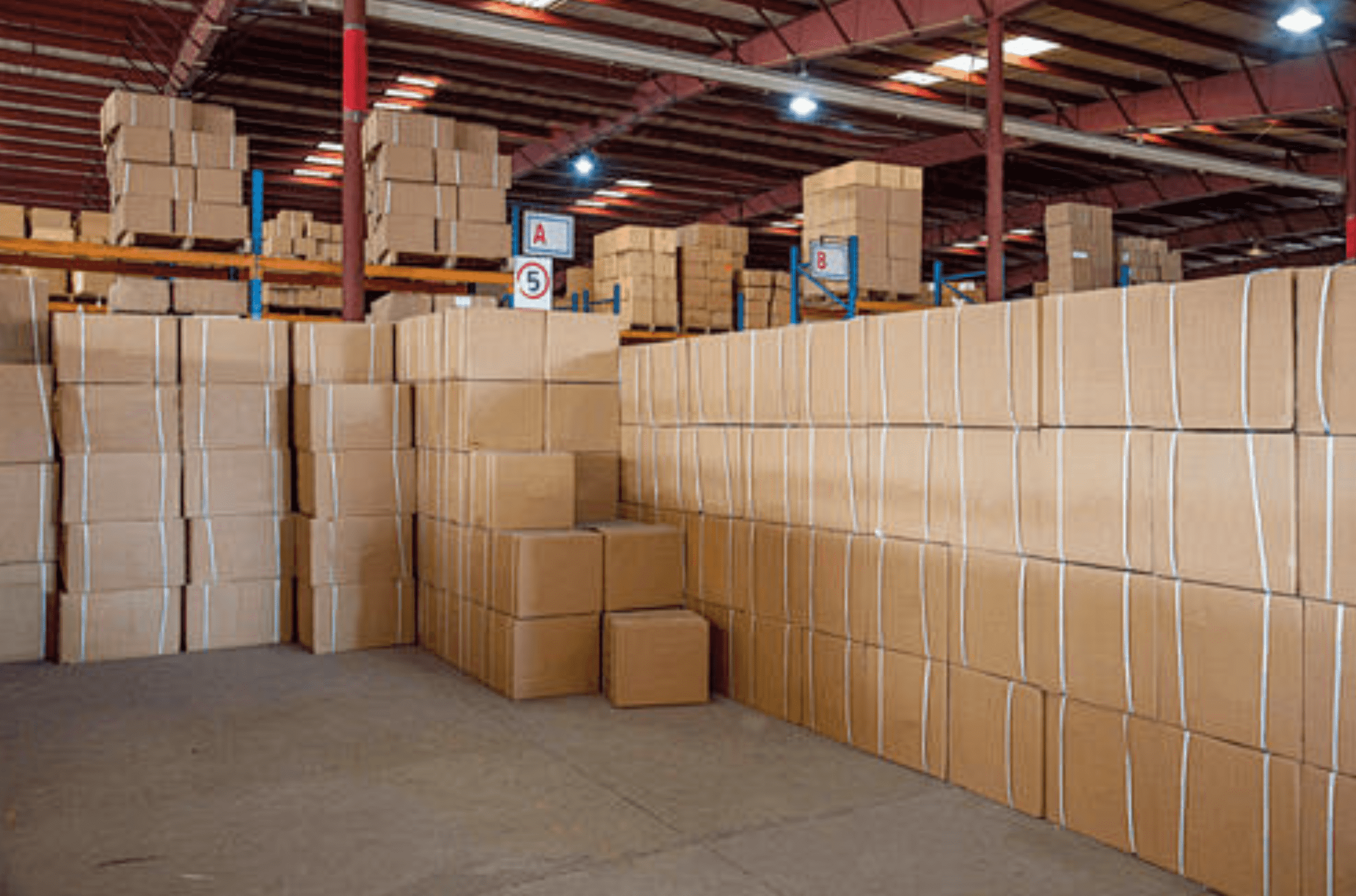
Our system is designed to bypass the biggest headache in importing from China: the need to ship defective units back. We operate on an evidence-based, "no-ship-back" policy. Give us the digital proof, and we handle the rest.
- The Golden Rule: Document Before You Touch. This is crucial. Before you unload a single carton, document the scene. If you see a broken seal or a crushed pallet, stop and photograph it in situ.
- Make a Note on the Delivery Receipt. Do not sign the clean bill of health if the patient is sick. Before signing the delivery receipt or Bill of Lading, make a clear, handwritten note of the damage. This note is the "smoking gun" for any cargo insurance claim.
- Assemble Your Evidence Toolkit. To process your claim, simply email your dedicated account manager three things: photos/videos of the damage, a copy of the noted delivery receipt, and a list of the affected serial numbers.
Once that email hits our inbox, the clock starts. We guarantee a full review and a definitive response within 48 business hours. My goal is to get you back to business as usual, instantly.
The Great Divide: Who's on the Hook? Understanding FOB vs. CIF
When damage is confirmed, the conversation inevitably turns to liability. Who pays? The answer lies in the three letters on your commercial invoice: the Incoterms, typically FOB or CIF. Understanding who is responsible for freight damage is vital for your financial planning.
I remember walking a first-time importer through this distinction. Helping him understand the liability transfer point for his FOB shipment pushed him to secure the right insurance policy. Two months later, when a container was mishandled at the destination port, that policy saved his entire investment. It was a hard lesson, but one he was prepared for.

Incoterms effectively draw the line in the sand regarding responsibility. Here is how I break it down for my clients:
- FOB (Free On Board): You Take the Wheel. Under FOB, the risk transfers to you the moment the goods cross the ship's rail. You hire the freight forwarder, and you secure the insurance. If damage happens during the voyage, your primary claim is with your insurance provider. In this scenario, we act as your support team, supplying the loading videos and evidence to strengthen your case.
- CIF (Cost, Insurance, and Freight): Our End-to-End Responsibility. Under CIF, we handle the main freight and insure the goods up to the destination port. Your risk only begins when the goods arrive. If damage occurs in transit, we take the lead in managing the claim with our insurance provider on your behalf.

Transit damage is an unavoidable reality of global trade, but it should never be a catastrophe for your business. With a proactive protection strategy, a crystal-clear damaged goods policy, and a transparent understanding of Incoterms liability, these events become manageable operational tasks rather than crises.
Don't let a dented box derail your vision. Reach out to me directly, and let's design a logistics and protection plan that delivers not just a product, but total peace of mind.